Noah Cubasch
On grandmothers and gallerists, 3D printers and TikTok screenshots — a conversation about the long, slow shift between scrolling and making.
To what extent do you draw inspiration from places and people? Does this kind of inspiration also overlap with films, music, and, more broadly, social media as sources of inspiration?
I think my first exposure to art came through my grandmother, who was dating an artist at the time. Her entire apartment is basically filled with artwork; there are paintings by her ex-husband hanging everywhere. At the same time, she was very interested in fashion, interior design, and furniture. She took me to exhibitions, the theater, and cultural venues in general from an early age. That's probably where my first connection to art came from.
I also realized early on that I wanted to express myself creatively. Back then, I drew a lot and tried to let my creativity run wild.
I do believe that I gather inspiration from places, people, movies, music, and even social media. However, that doesn't always consciously flow directly into my art. Much of it remains more subconscious and influences me in an indirect way.
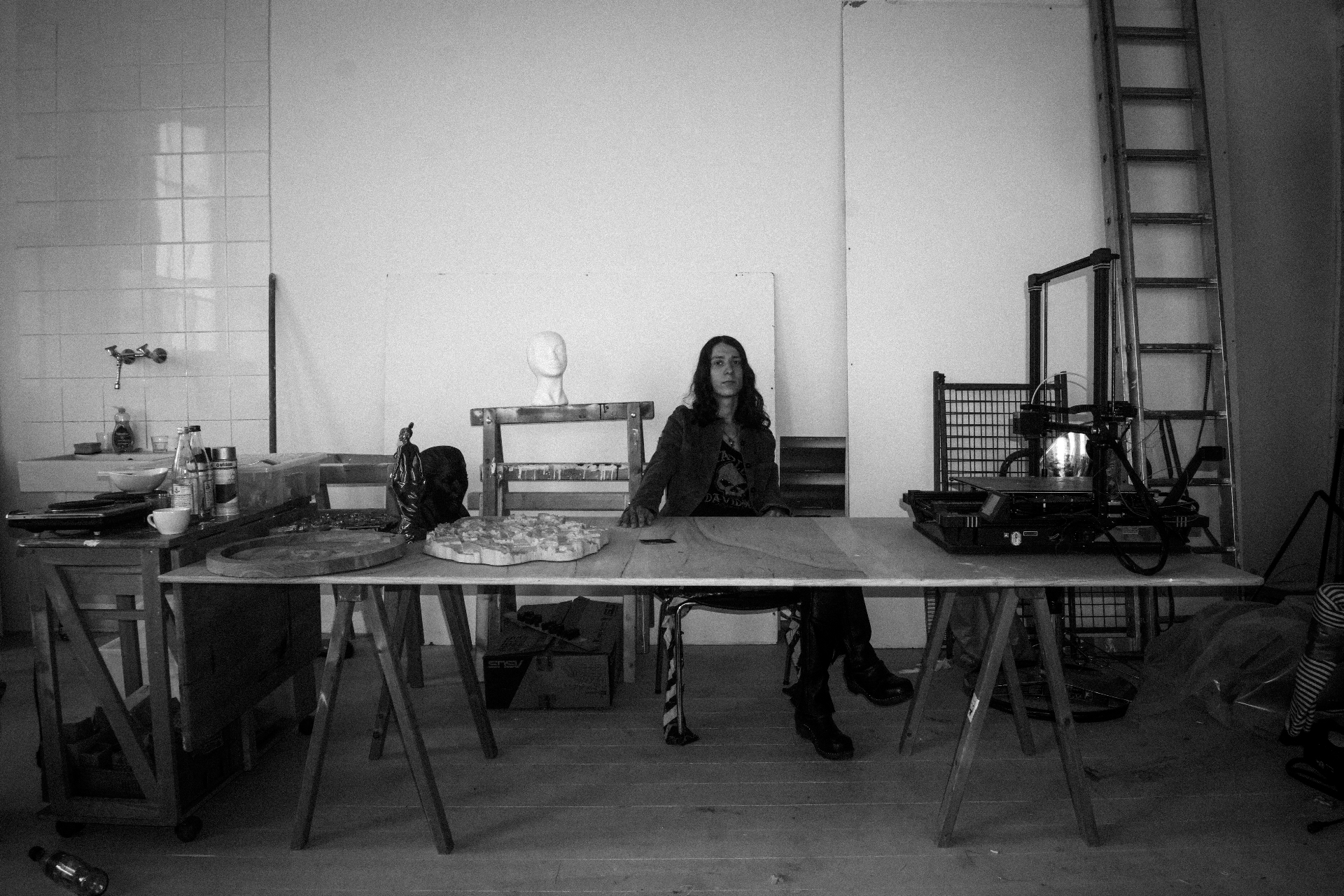
What does the journey to a finished project look like? Is the journey the destination, or is the destination the journey?
My approach varies greatly. There are different processes I go through. Often, a project simply arises from the need to express myself creatively. I'm sitting at home and suddenly feel the urge to create something, and that then develops into a project.
Sometimes it's also specific techniques or media that interest me. In my art, I frequently work with 3D printing or CNC milling. These are tools and processes I enjoy exploring, and a concrete idea often emerges from this exploration.
But there are also situations where an exhibition or a deadline dictates the process. For example, if I only have a week or a month, I approach things differently. Then I often fall back on things I've already tried — such as techniques that can be implemented quickly and efficiently.
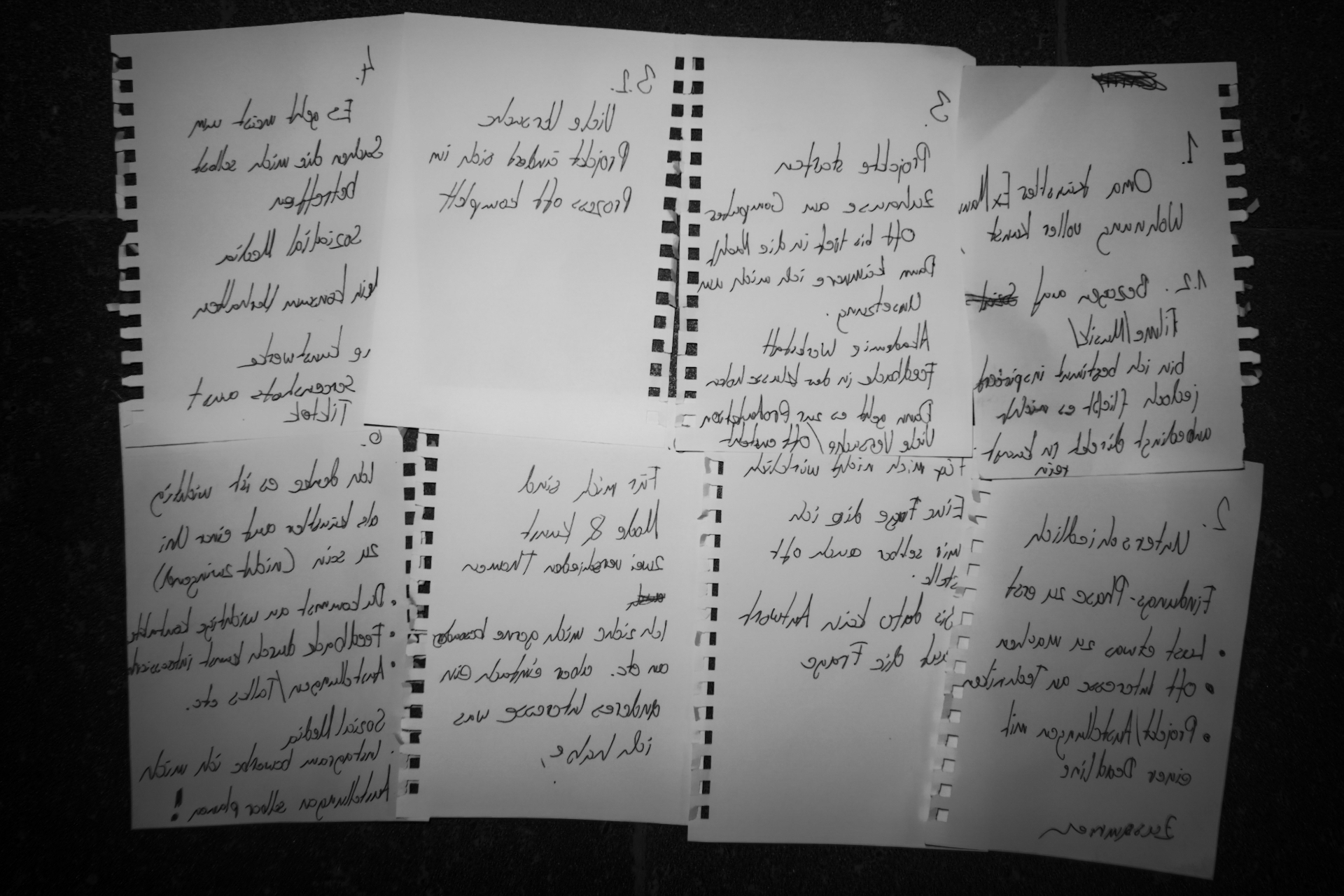
What are the key factors involved in carrying out a project? How do variables such as time, place, and duration come into play?
For me, a project or artwork usually begins at home; actually, almost always on the computer. I studied 3D animation before attending art school, so the digital realm remains a central starting point for my work.
From there, I consider how an idea can be realized. The next step usually takes me to the academy. There, I seek feedback from the workshops, such as the 3D printing workshop or the woodworking shop. I talk to experts about how to arrive at a final product and what is technically possible.
The academy is also important for exchanging ideas with other artists and professors. There, my work is scrutinized — both in terms of form and content. Questions about the meaning or context of a project often lead to the work changing once again.
The final step is the actual production. It is precisely there that mistakes often occur, such as technical issues in the 3D software or printing errors. During this process, the work often undergoes another fundamental transformation. As a result, the artwork sometimes only truly evolves during its creation.
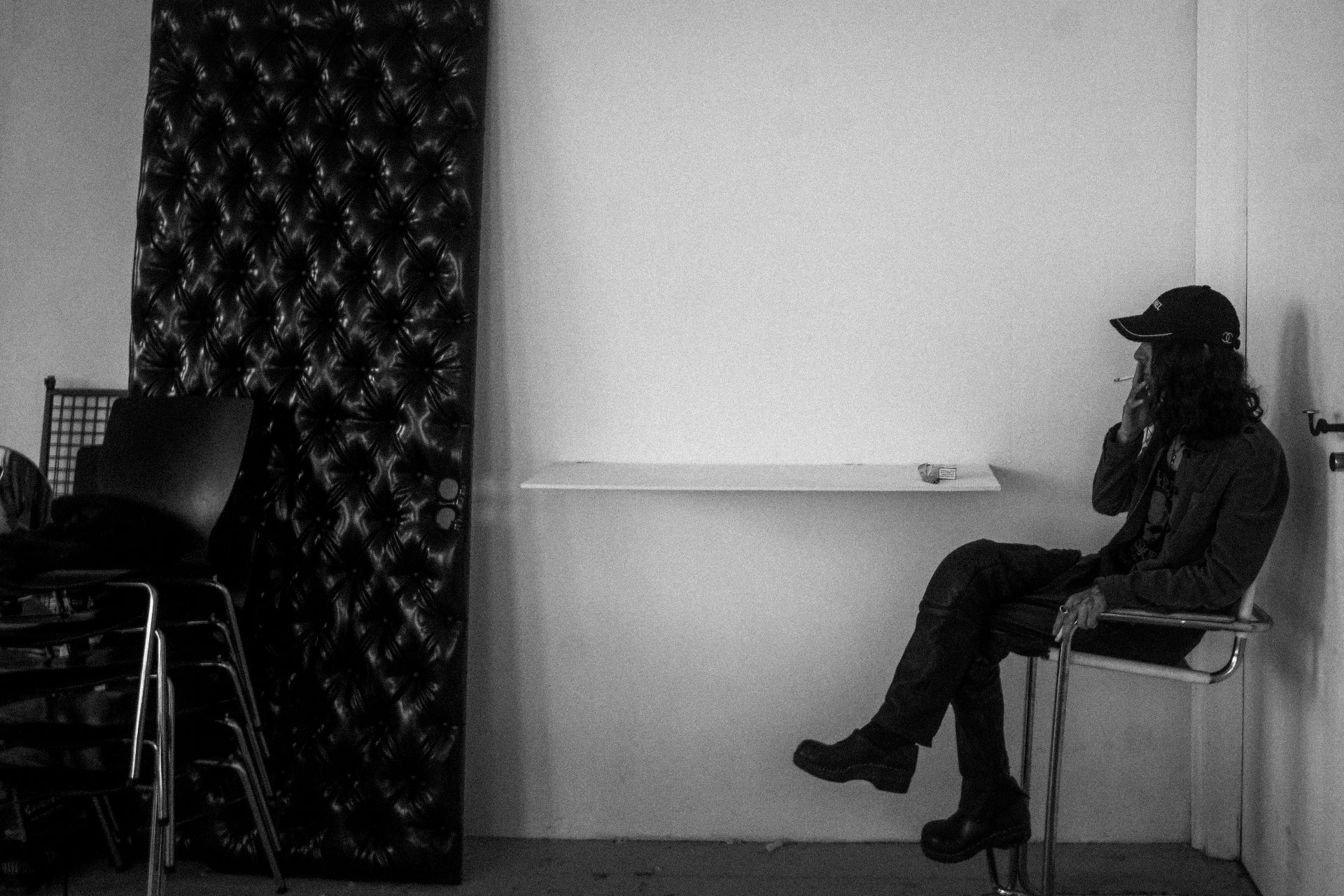
What exactly does your art express? And does that imply an answer to the question: What is art?
My work often deals with topics that personally concern me — especially social media, TikTok, Instagram, or doomscrolling. These are things that take up a large part of my daily life.
I spend too much time on TikTok myself and often wonder what I'm actually looking for there or why I constantly feel the need to distract myself. It is precisely these questions that I try to explore in my art.
I'm particularly interested in the fleeting nature of such content. Many of the videos you consume are immediately forgotten. To give these seemingly irrelevant TikToks new value, I often work with individual screenshots from videos. I then continue to edit these over a long period of time.
For example, a simple screenshot can become a 3D print that takes eight hours to produce. I'm interested in this contrast between the extremely short attention span of social media and the deliberate, time-intensive artistic process.
As for the question of what art actually is, I've thought about it a lot myself — especially since my time at the academy. I've tried to understand how other people would define art. But for me, there's still no clear answer to what art ultimately is.
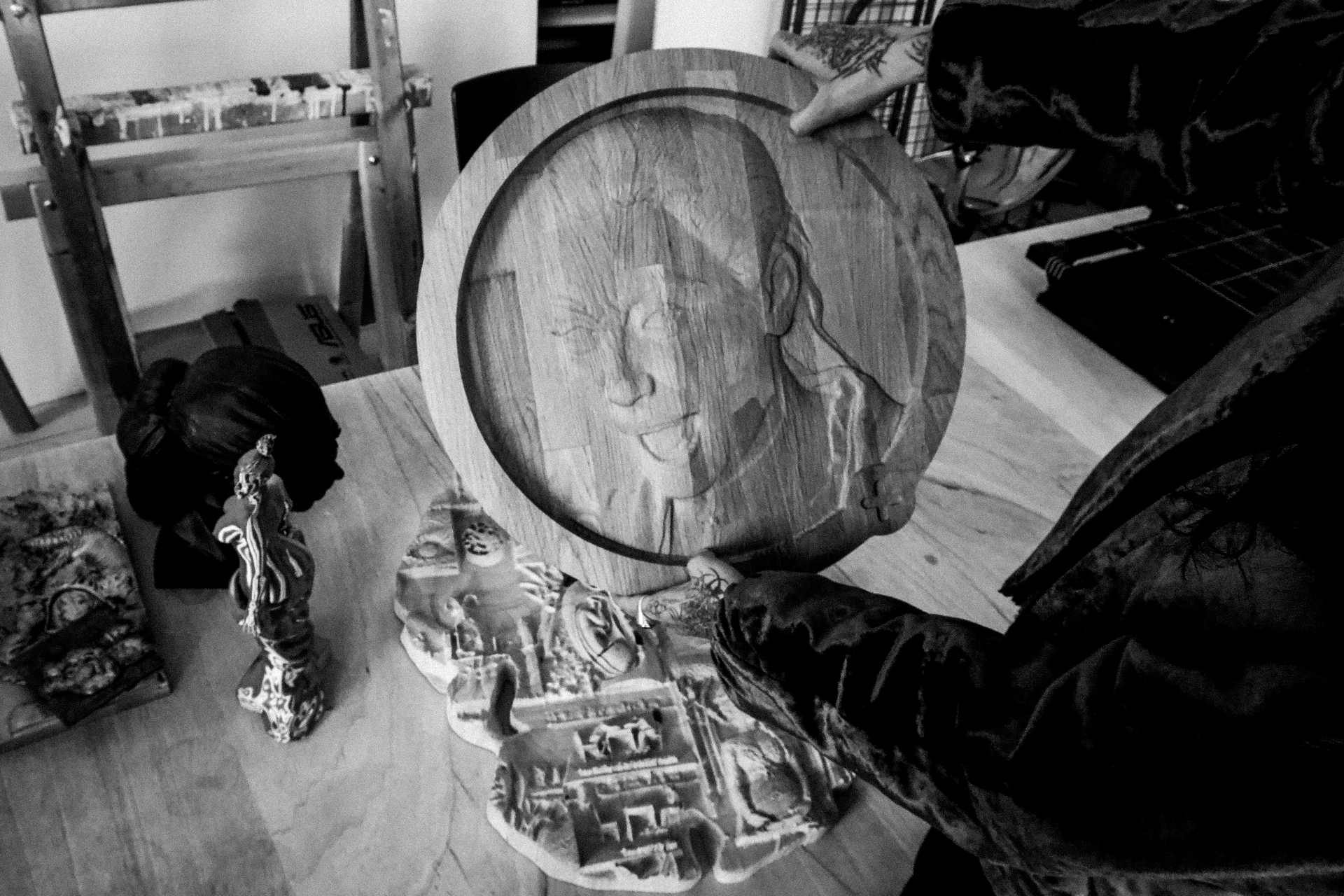
Can parallels be drawn between your expression through fashion and similar personal interests and the expression through your art?
For me, fashion and art are two different things. People often lump them together, and it's easy to assume that artists automatically dress in a distinctive way. But I've realized that they're actually two completely different forms of expression.
While I do like to dress in a distinctive way and also enjoy creating unique or unconventional art, the approaches behind them are fundamentally different for me. For me, fashion and art are two different ways of expressing myself.