Nikolai Rusu
On soup bars in Bucharest, urinal strainers as muses, and photography as social work — a conversation about freedom, discipline, and the long game of making things by hand.
When did you realise that creativity was more than just a personal interest for you, and who or what influenced you in this regard?
My parents definitely had a big influence on me. Although I didn't grow up with both of them, they each gave me a very creative outlook on the world in their own way.
My mum is a stylist and has an exceptionally open-minded way of looking at things. My father, on the other hand, is someone who dances, writes rhymes, tells jokes and opened a very unusual bar in Bucharest — not a traditional bar, but a soup bar that only opened late in the evening. That's where the film scene would meet up after premieres and events. For me, it all felt completely natural: unusual concepts, creative people and the idea that things don't always have to be the way you expect them to be.
My mother, too, encouraged me from an early age to let go of my inhibitions. For example, we'd run round the block in our underwear when it was raining, or re-enact 'Deutschland sucht den Superstar' at home, having to adopt different accents and take on different roles. Above all, such crazy situations taught me one thing: freedom.
I believe it is precisely this feeling of freedom that I want to carry forward in my creative work today and use it to express myself.
However, the transition from personal interest to a career didn't happen until later. I actually wanted to study art. My mum, though, advised me to learn something more practical first. That's why I opted for communication design.
Whilst at university, I organised events with friends, designed posters, printed T-shirts and developed my first creative projects. Financially, it was hardly viable, but it was incredibly fun. Looking back, that was an important realisation: not everything has to be profitable straight away. If something brings you joy in the long term and feels right, it's worth sticking with it.
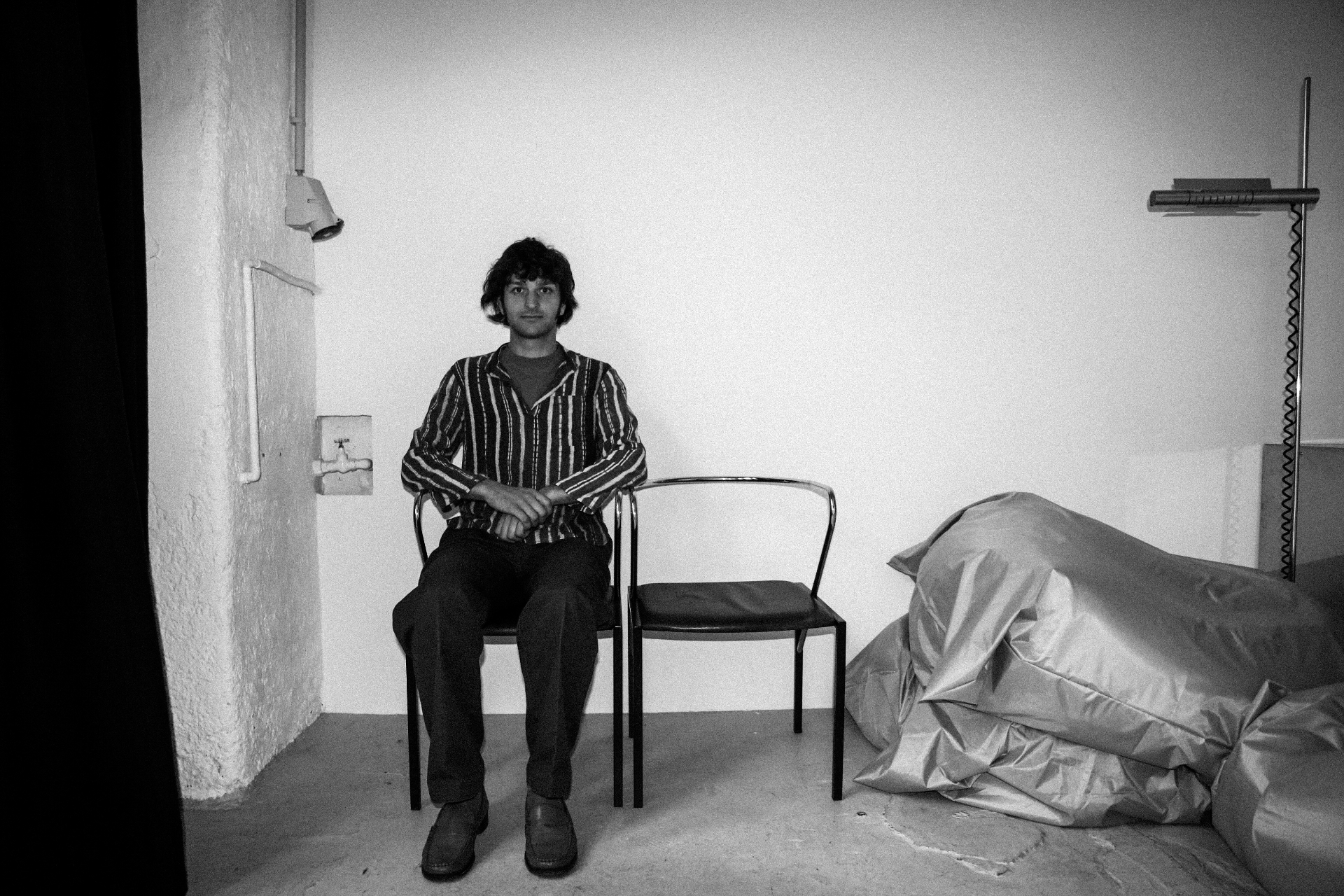
Which decision or turning point had a particular influence on your path in the creative industry?
A decisive turning point was my work placement at Public Possession. At the time, I actually wanted to work as a graphic designer. But fairly quickly, I was handed a camera, even though I had hardly any experience with photography.
A key moment came during a stay in Paris. I was photographing Public Possession merchandise there, using my girlfriend at the time as a model. One of the pictures was taken with a flash in daylight — a technique I hadn't really mastered at the time. The result looked almost surreal, and it was precisely this picture that was subsequently published on the official account.
For the first time, I felt that my work was reaching a wider audience. Shortly afterwards, I photographed Public Possession's events, which led to further commissions and, later, campaigns for brands such as Floyd and Georgina Lucy. Step by step, photography developed into my profession.
Interestingly, photography was never my original dream. Rather, it arose from the desire to earn a living. Today, however, I am increasingly discovering the creative possibilities of this medium.
Another recent turning point is my art studies. For a long time, they were overshadowed by my commercial photography work. It is only in the past few weeks that I have consistently set aside time for them again and worked on two exhibitions.
This phase has shown me how important it is to expose myself to creative challenges as well. If you only ever do routine commissions, your thinking eventually stops developing. Art forces me to learn new techniques, read more and engage more deeply with ideas.
One insight that has particularly stayed with me comes from Valentino of Public Possession. He said to me: "Just do your own thing." That sentence helped me. Don't try desperately to produce art, but engage with the themes that move you anyway. That's how the most honest works emerge.
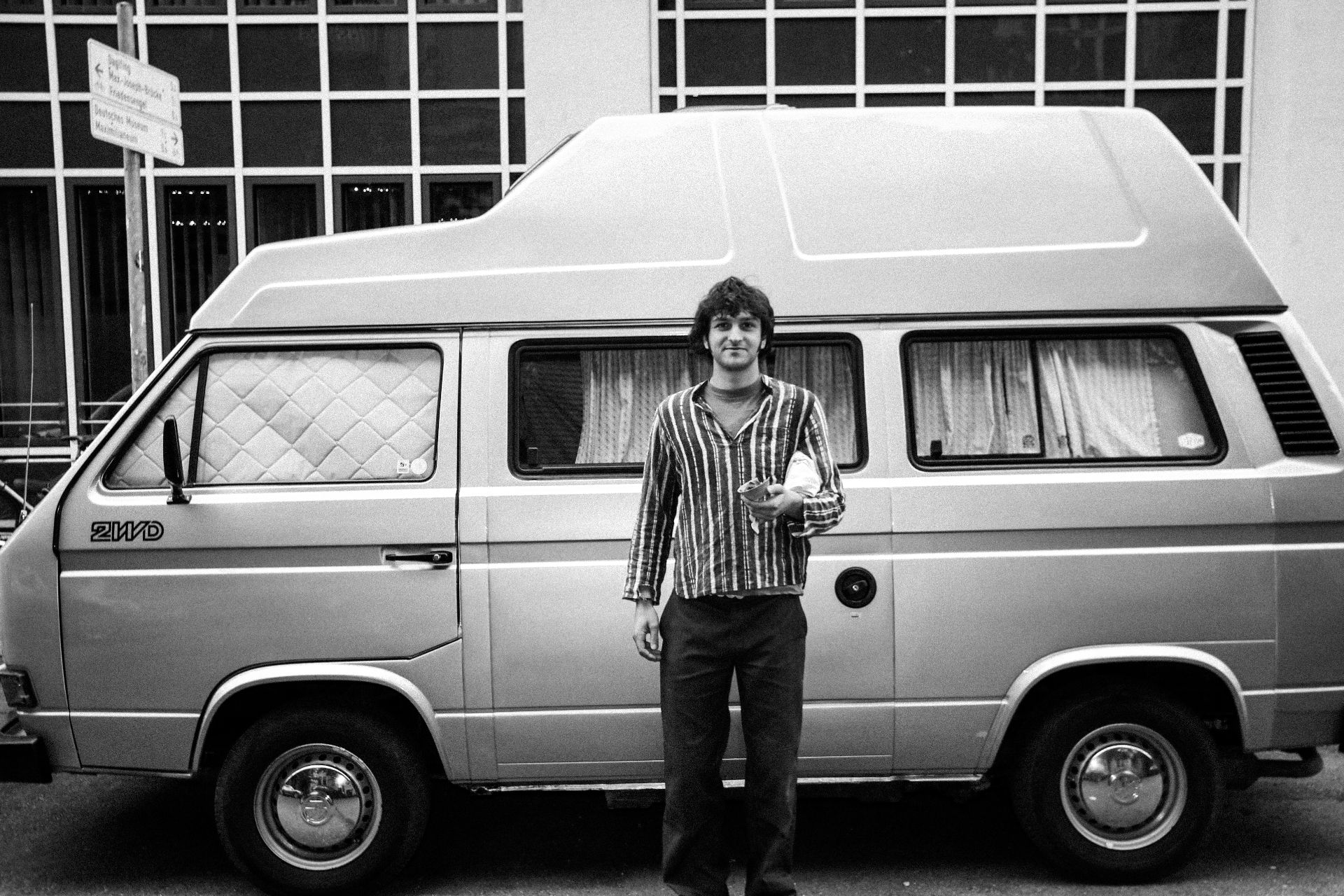
You work across photography and art — what distinguishes these fields for you, and what links them?
For me, the biggest difference is that photography is usually commissioned by others. I work for clients, operate within their specifications and try to be as creative as possible within those parameters.
Interestingly, I actually like these very boundaries. Whilst many see them as a constraint, they inspire me. I try to get the most out of the given conditions.
Art, on the other hand, works differently. There, the work arises entirely from within myself. There are no clients and no guidelines. As a result, I also bear full responsibility for the idea.
At the same time, I realise that I'd like to bring more of this artistic freedom back into my photography. Less routine, more of my own ideas and more creative direction.
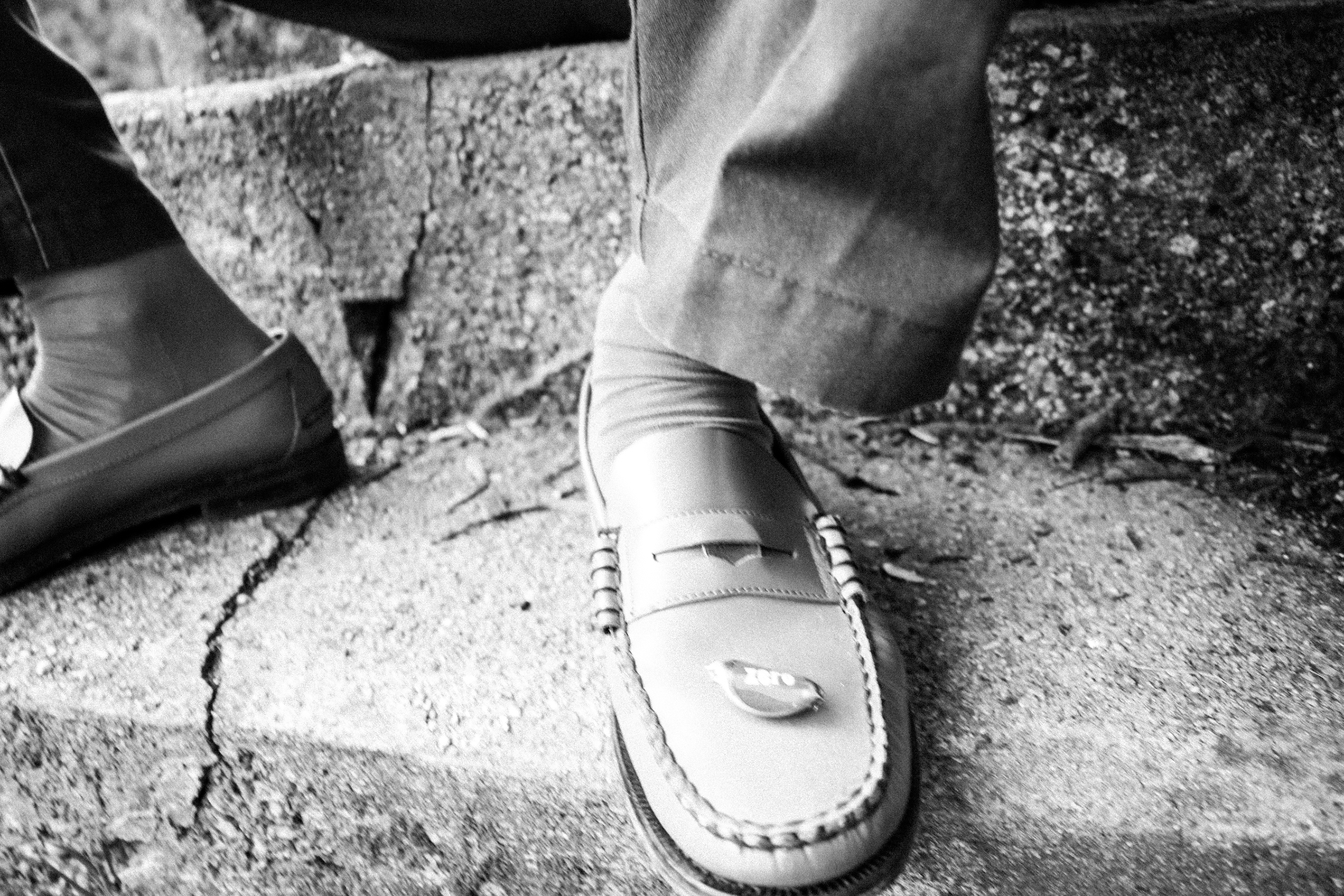
How does an initial idea develop into a finished piece for you, and what role do intuition and discipline play in this?
Discipline plays a much bigger role than you might initially think. Ideas alone aren't enough.
I used to simply post lots of thoughts on Instagram. Whilst this made them visible, they were never really developed further. Nowadays, I try to let ideas grow consciously.
A good example is my first exhibition. Whilst studying art, I often sat in seminars where the discussions were very theoretical. Afterwards, I'd frequently go to the loo because I could find a moment's peace there. It was precisely there that good ideas would suddenly pop into my head time and time again. The only problem was: I'd forget them every single time.
At some point, my gaze fell on a urinal strainer. In that moment, the thought struck me: "Dear urinal strainer, filter my ideas and don't let them just disappear this time." This observation eventually developed into a work of art.
A year later, when I was forced to work at the academy due to a power cut, I revisited the idea. A fellow student gave me the crucial piece of advice: "Put the things you want to work with on your desk." That was the moment when an abstract idea became a real working process. I began experimenting with materials, built a picture frame in the shape of the filter, and incorporated my sketches for future works into it.
This piece ultimately came about almost of its own accord — though only because I'd sat down at my desk regularly and given the ideas space to develop.
That's why I believe that intuition and discipline need each other. Good ideas often arise by chance, but only discipline makes it possible to actually bring them to life.
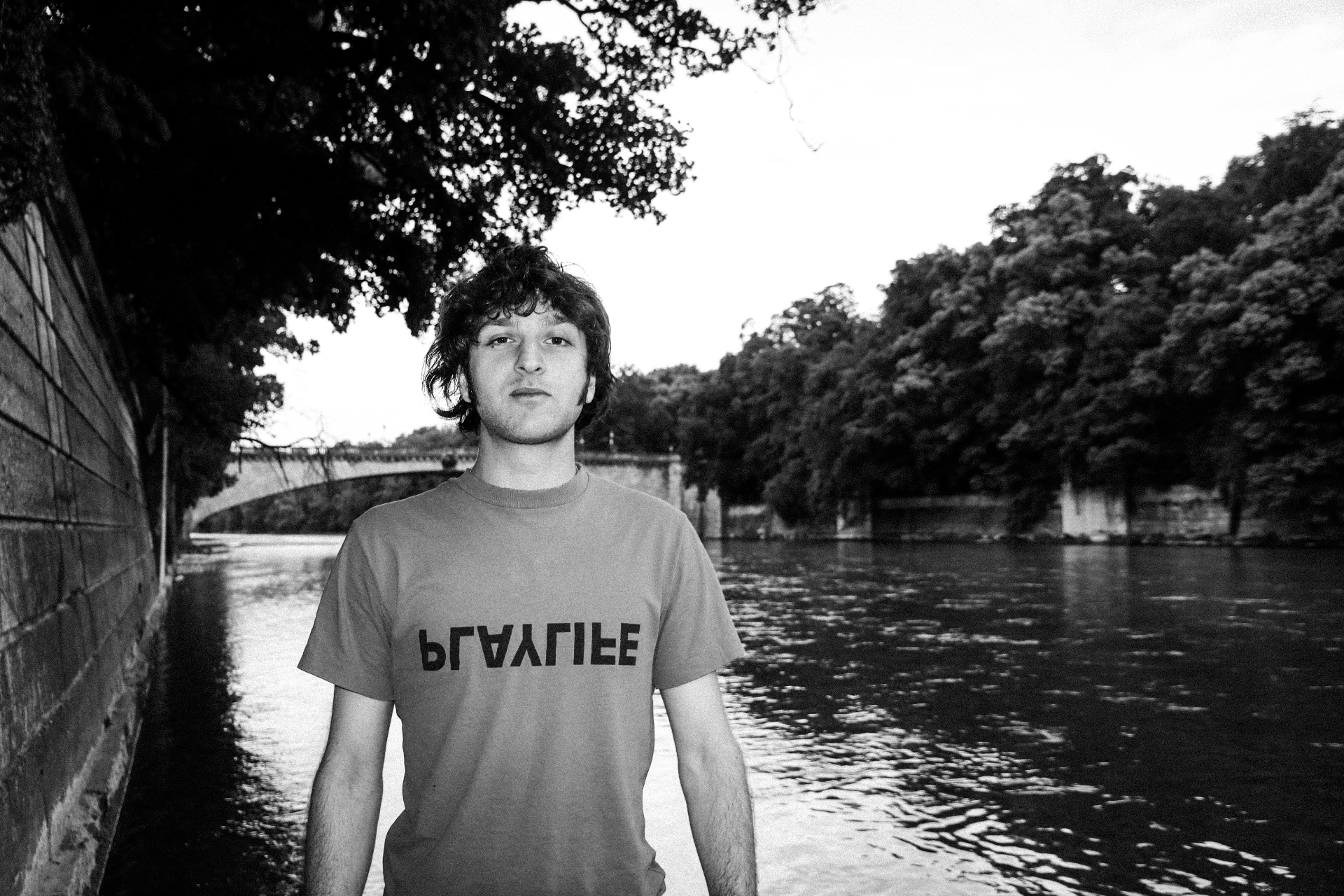
How much of your personality is reflected in your work?
A great deal of my personality is embedded in my artistic work.
For my last exhibition, I spent an incredible amount of time ensuring every technical detail was executed to perfection. The actual drawings, on the other hand, were created within twenty minutes — completely spontaneously and without any corrections.
This contrast actually describes me quite well: long preparation followed by a very intuitive moment when everything comes together.
My personality also comes through in my photography. Many colleagues tell me that I work very spontaneously. My pictures often emerge with a lot of movement and little perfectionism.
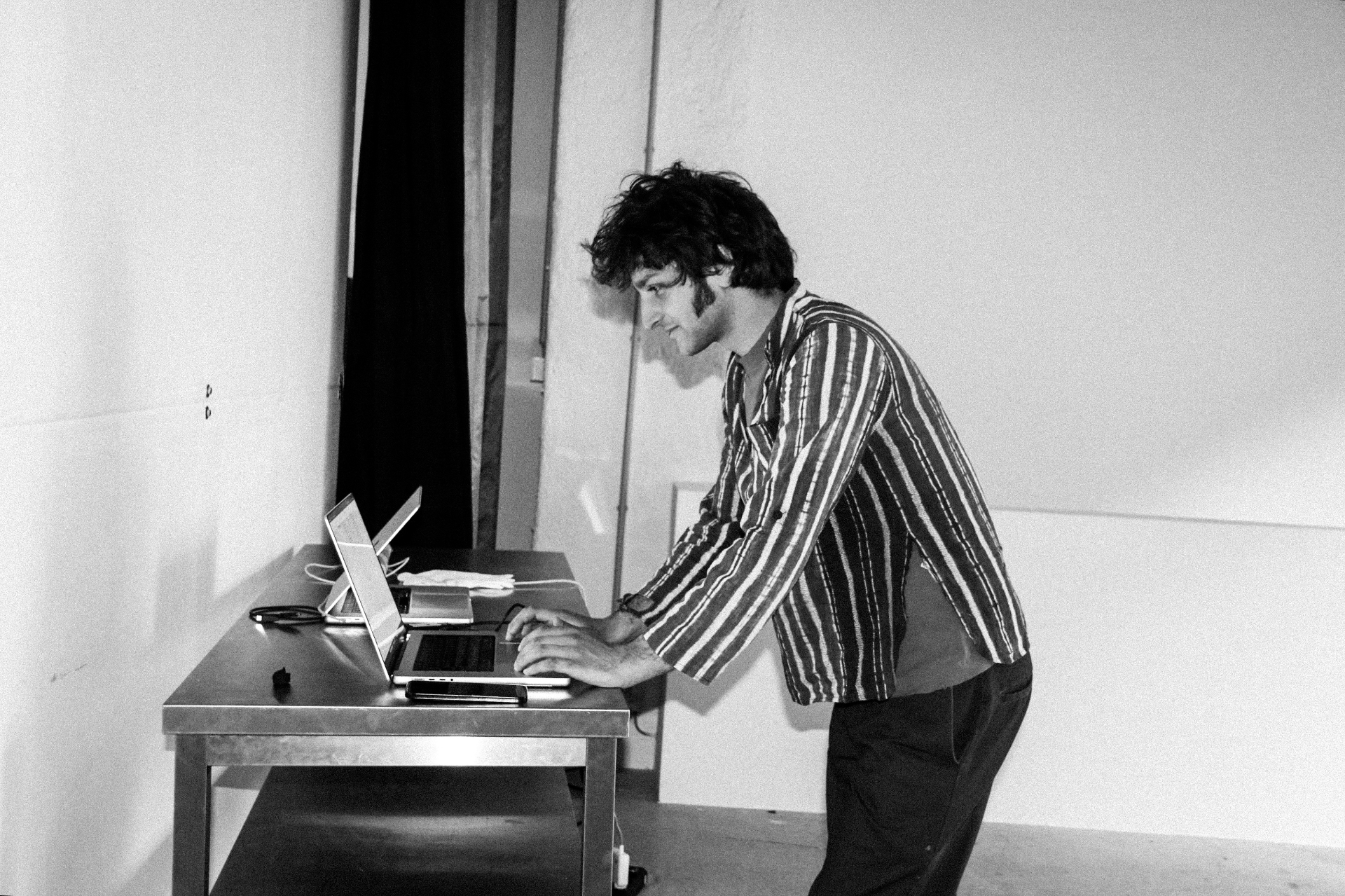
I've even come to believe that I'm less interested in the camera than in the people in front of it. For me, photography is above all social work. The technical side is important, but what really matters is the encounter.
That's why I'm happy for something slightly imperfect or unexpected to happen in my pictures. Perhaps the colours are a bit unusual, or a situation seems slightly off-kilter. It's precisely these little deviations that make life — and my pictures — more interesting.
What role will creativity play in your future — both professionally and personally?
Creativity will definitely continue to shape my life — even if I don't yet know exactly in what form.
At the moment, my journey feels a bit like a video game that I'm playing through step by step. I'm curious to see where it takes me.
In the long term, I could imagine developing completely new projects. Perhaps my own brand, perhaps products for a sports club, or something entirely different.
However, I've had one big dream for a long time: I'd absolutely love to create children's books or animated series.
I'm fascinated by the idea of inspiring children with stories about nature, technology and imagination. Not scientific explanations, but little poetic ideas — such as mushrooms you stick light bulbs into that suddenly glow, or animals that work together to find solutions. Stories like these can spark curiosity and perhaps even ignite a child's spirit of discovery.
I myself was greatly influenced by series such as Scooby-Doo. It wasn't until many years later that I understood some of the hidden layers in these stories. It's precisely these little surprises that I find exciting — things that don't seem to fit together at first glance and yet, precisely because of that, create something special.
If, one day, I could tell such stories myself and thereby pass on to children the same positive influence that I experienced, that would be something truly wonderful.
Professionally, I'm currently straddling the worlds of photography and art. Photography pays the bills, whilst art challenges me and opens up new perspectives. I don't yet know how both will develop in the future.
Perhaps my future also lies in connecting people, facilitating collaborations and bringing new projects to life together. I'm curious to see where this path takes me.